What are the most valuable rare quarters to look for? +
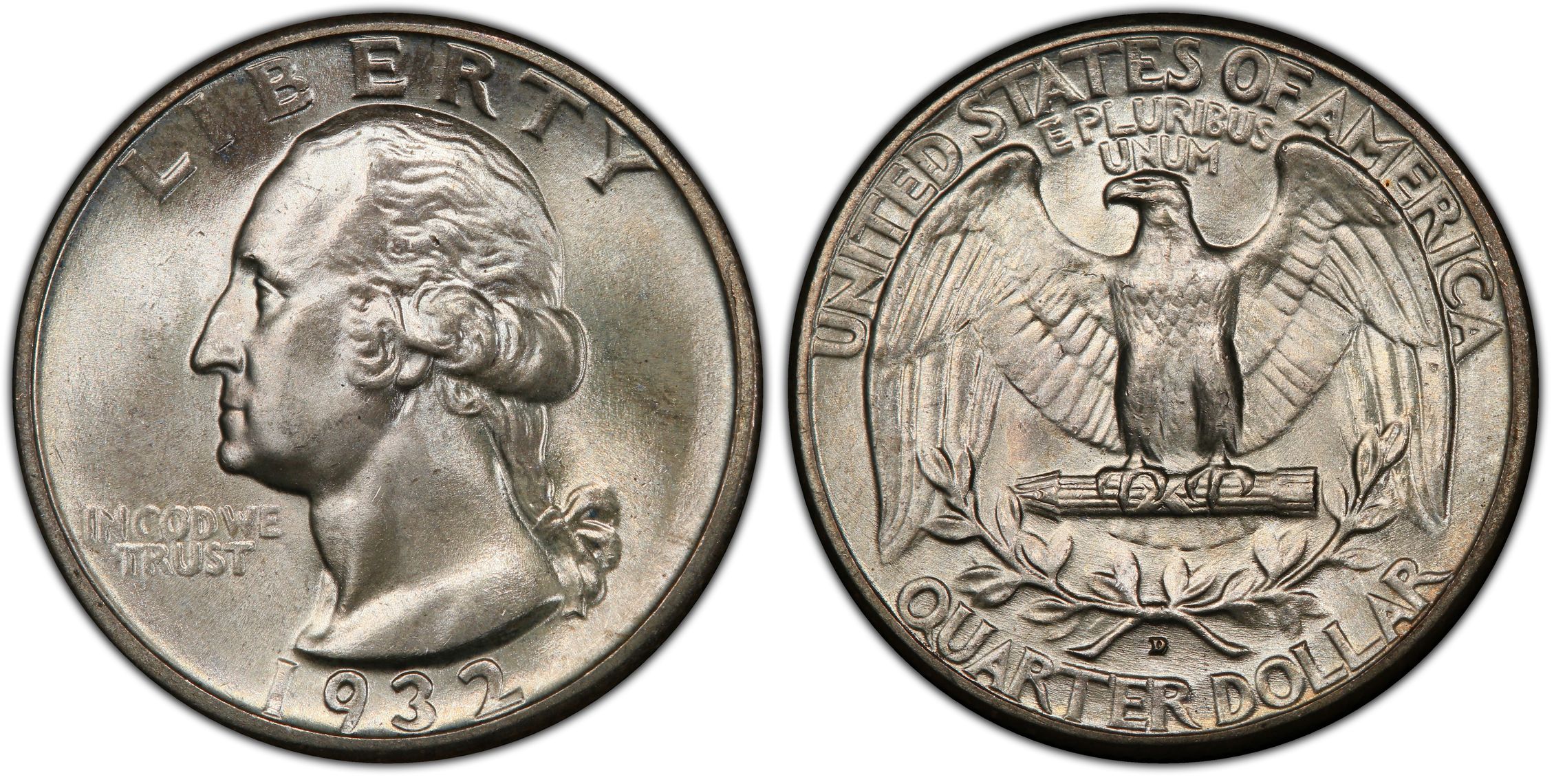
The most valuable rare quarters include the 1932-D Washington Quarter valued at $143,750, the 1932-S at $45,500, and the 1949-D at $43,475. These rare quarters command premium prices due to their low mintage numbers and historical significance in the Washington quarter series. When searching through pocket change or inherited collections, focus on pre-1965 silver quarters, early Denver and San Francisco mint marks, and any coins in exceptional condition.
How can I identify rare quarters in my collection? +
To identify rare quarters, examine the mint mark located on the obverse (front) below the wreath on quarters dated 1932-1964, or on the obverse right of Washington's ribbon on 1968 and later dates. "D" indicates Denver Mint, "S" indicates San Francisco Mint, and no mint mark means Philadelphia Mint. Check the date carefully, assess overall condition, and look for unusual features like doubled dies, overmintmarks, or proof finishes. The CoinValueChecker app can help authenticate rare quarters using image recognition technology.
Why are 1932 rare quarters so valuable? +
The 1932 rare quarters are valuable because 1932 marked the first year of the Washington quarter series, originally intended as a one-year commemorative issue. The 1932-D had a mintage of only 436,800 coins, and the 1932-S just 408,000—extremely low compared to later years. Most were heavily circulated, making high-grade survivors exceptionally scarce. These rare quarters represent an important milestone in American coinage history, combining low population, strong collector demand, and numismatic significance.
What makes certain rare quarters worth thousands of dollars? +
Several factors contribute to rare quarters achieving four, five, or even six-figure values. Low original mintage creates scarcity, while exceptional condition (MS-67 or higher for mint state, or PR-70 Deep Cameo for proofs) dramatically increases value. Special characteristics like doubled dies (DDO/DDR), overmintmarks (such as D/S varieties), Special Mint Set designations, and proofs with Deep Cameo contrast all add significant premiums. Historical importance, silver content in pre-1965 issues, and strong collector demand for key dates further elevate prices.
Are rare quarters from the 1960s valuable? +
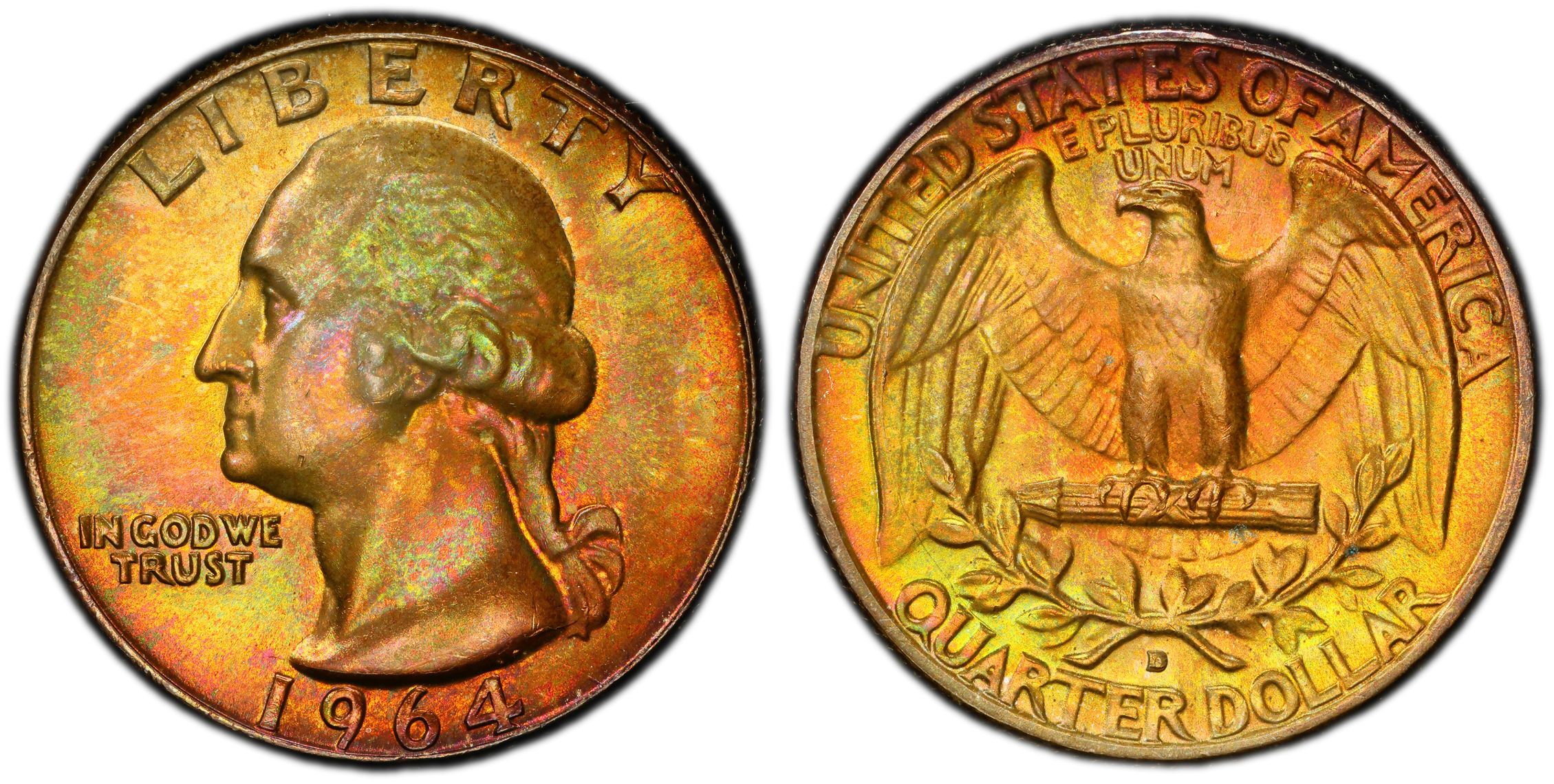
Yes, despite the 1965 removal of silver from quarters, certain 1960s rare quarters command impressive prices. The 1964-D can reach $38,400 in top grades, the 1962 is worth up to $26,400, and the 1963-D commands $24,000. Additionally, 1965 and later clad quarters in exceptional mint state condition are valuable—the 1965 appears twice in the top 100, reaching $12,650 and $11,400. Special Mint Sets from this transitional period and coins with original luster are particularly sought after by collectors.
What is the best way to sell rare quarters? +
To sell rare quarters for maximum value, first have them professionally graded and authenticated by PCGS (Professional Coin Grading Service) or NGC (Numismatic Guaranty Corporation). These third-party grading services provide objective condition assessments that command market confidence. For high-value rare quarters, consider major numismatic auctions through Heritage Auctions, Stack's Bowers, or Great Collections. Reputable coin dealers, coin shows, and established online marketplaces are also viable options. Never clean coins before selling, as this drastically reduces value.
How does condition affect rare quarters value? +
Condition is paramount in determining rare quarters value. A common-date quarter in average circulated condition might be worth only face value, while the same date in MS-67 or higher could command thousands. The grading scale runs from Poor-1 to Perfect MS-70 for business strikes, and PR-1 to PR-70 for proofs. Each grade point increase, especially at higher levels, can multiply value significantly. Deep Cameo (DCAM) proof rare quarters show dramatic contrast between frosted devices and mirror fields, adding substantial premiums.
What are error rare quarters and why are they valuable? +
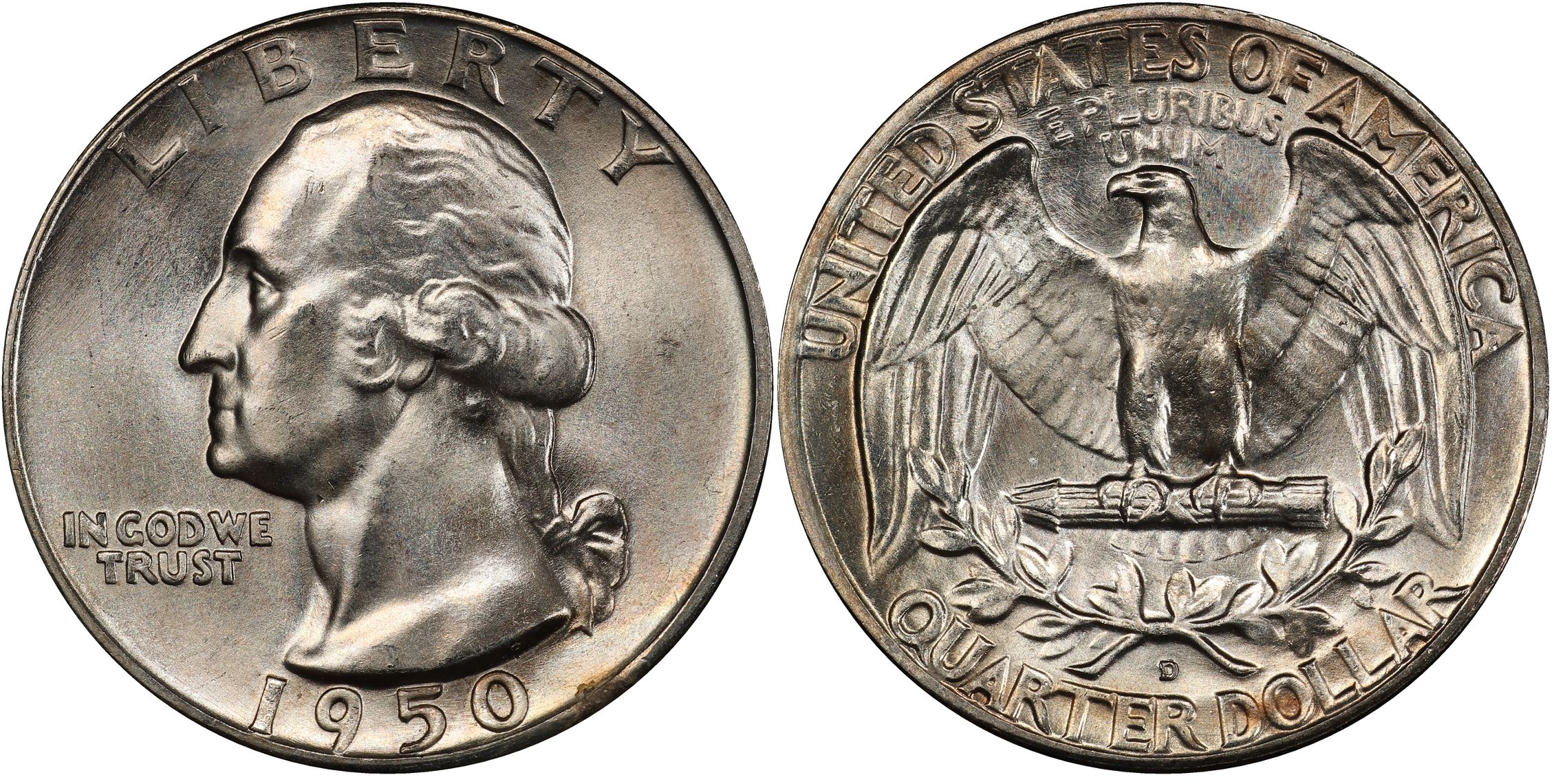
Error rare quarters result from minting mistakes that create unique varieties. Doubled dies show doubling on design elements from hub misalignment during die creation—examples include the 1937 DDO and 1944-S DDO. Overmintmark errors occur when one mint mark is punched over another, like the famous 1950-D/S. Repunched mint marks, off-center strikes, and wrong planchet errors also create valuable rare quarters. These errors are valuable because they're unintentional, limited in number, and highly sought by error coin specialists.
Should I clean my rare quarters before selling? +
Never, under any circumstances, clean rare quarters. Cleaning removes original surface toning, creates microscopic scratches, and destroys the natural patina that develops over decades. Professional grading services immediately recognize cleaning and will note it as damage on certification labels, drastically reducing value—often by 50-80% or more. Even "gentle" cleaning with soft cloths causes harm. Store rare quarters in proper holders, handle only by edges, and leave surface preservation to professional conservators.
Where can I learn current values for rare quarters? +
Current values for rare quarters are available through several reliable sources. PCGS CoinFacts (www.pcgs.com/coinfacts) provides comprehensive pricing based on actual auction results and dealer transactions. The NGC Price Guide offers similar market-based valuations. Major auction house archives (Heritage Auctions, Stack's Bowers) show realized prices for specific rare quarters. The Red Book (A Guide Book of United States Coins) publishes annual retail values. For real-time valuations using your smartphone, the CoinValueChecker app delivers instant assessments based on current market data.